

This page was translated automatically using artificial intelligence (DeepL). The German version is binding. More information about automatic translation
News Intranet
This page was translated automatically using artificial intelligence (DeepL). The German version is binding. More information about automatic translation
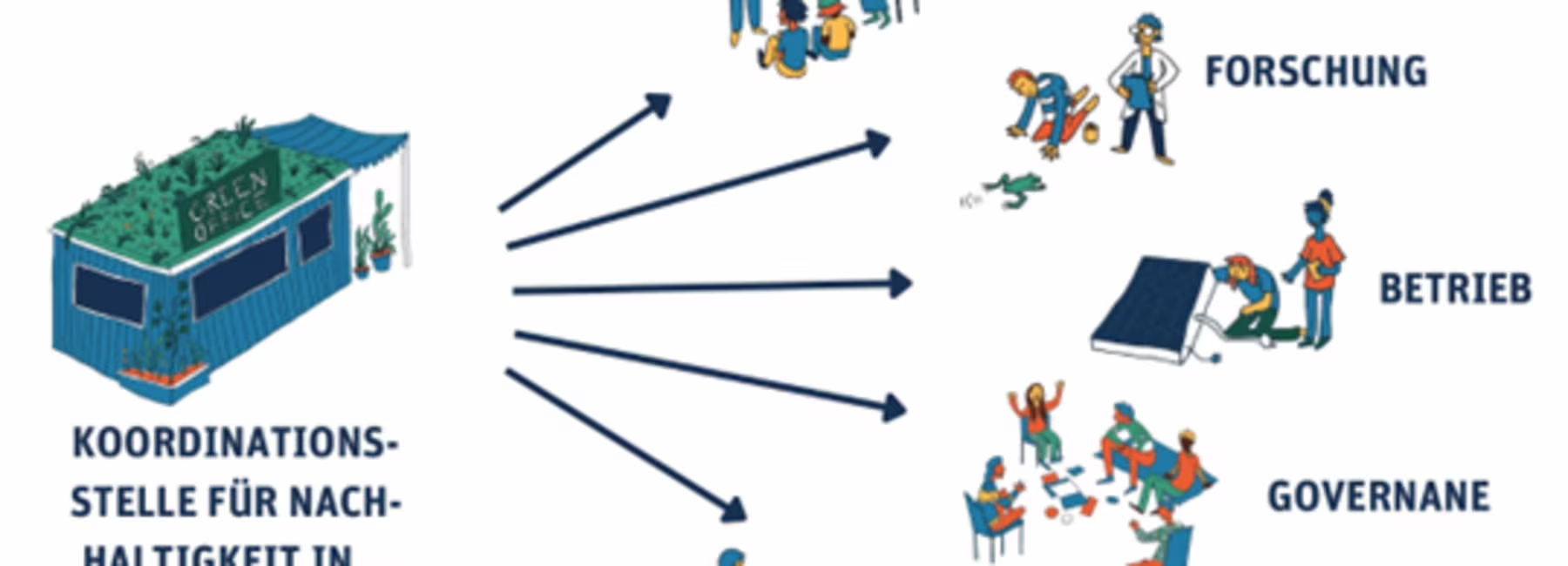
On 27 April, the German Society for Sustainability at Universities (Deutsche Gesellschaft für Nachhaltigkeit an Hochschulen e.V.) organised a webinar on the topic of green offices and sustainability offices. A total of 45 colleagues from the fields of climate protection and sustainability at universities across the country took part. The first half of the event addressed the question of what actually constitutes a ‘green office’. As a coordination centre for sustainability issues, it brings together stakeholders from teaching, research and university administration, and connects and supports them. When properly established, it becomes a hub for transformation within a university in terms of sustainability and provides a platform for students and staff to get involved and implement ideas together. The roles of a Green Office The second part of the event was devoted to discussion: in breakout sessions, participants were able to exchange views on how the Green Office functions at their institutions, what the current key issues are there, and what challenges they face.
It became clear that many higher education institutions find it difficult to bring students and staff together and to bridge these ‘two worlds’ in the context of sustainability. Resources are also often very limited, which is why some colleagues reported that they still have little visibility within their institution. One successful approach that some universities are already taking to encourage greater student engagement – alongside the traditional SHK route – is the award of ECTS credits: through project-based involvement, students can gain practical experience and have this credited towards their degree. This requires modules with flexible assessment methods, so that individual arrangements can be made.