

This page was translated automatically using artificial intelligence (DeepL). The German version is binding. More information about automatic translation
News Intranet
This page was translated automatically using artificial intelligence (DeepL). The German version is binding. More information about automatic translation
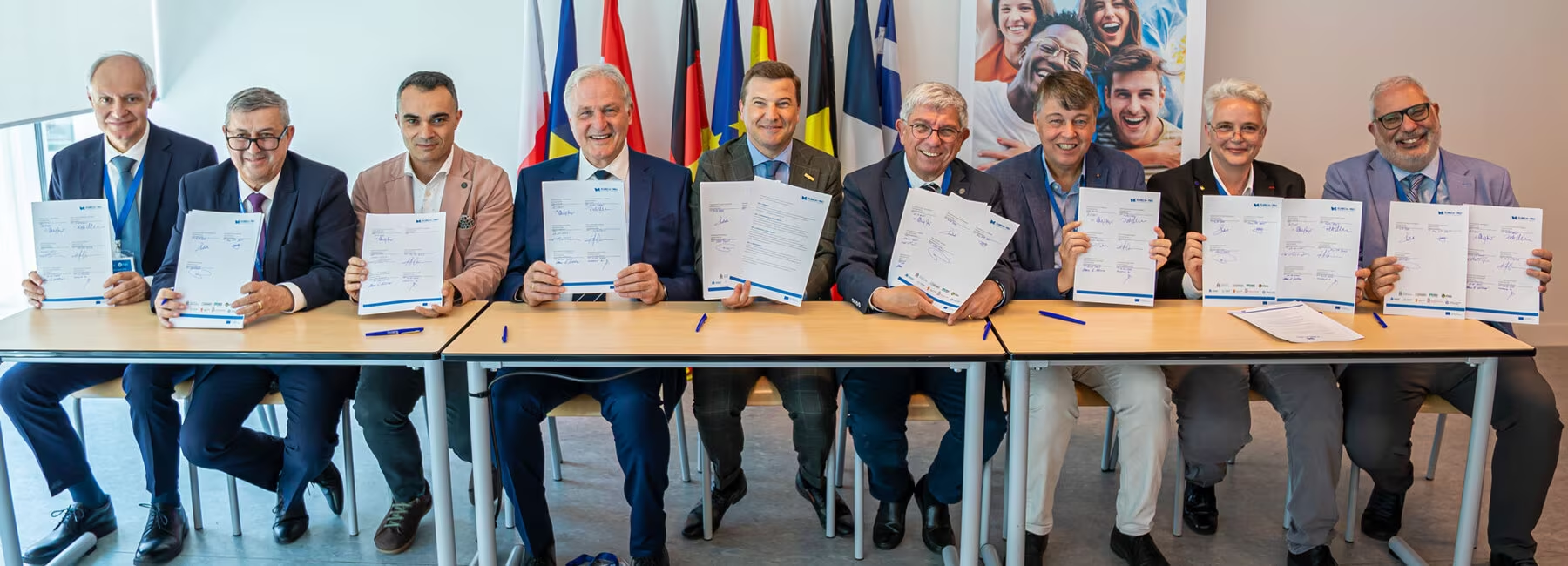
The European university alliance EURECA-PRO continues to grow closer together. During Review Week, held from 12 to 16 May 2025 in Nancy, France, the vice-chancellors of the nine partner universities signed a formal letter of intent to establish an independent legal entity for the EURECA-PRO alliance. This marks an important milestone in the ongoing institutionalisation of EURECA-PRO and paves the way for a more integrated and sustainable framework for cooperation. “This significant step lays a strong foundation for the further development of EURECA-PRO into a truly integrated and forward-looking European university,” said Vanessa Massegg, EURECA-PRO project manager at the Montanuniversität Leoben.
The signing is by no means the only achievement of Review Week 2025. More than 150 participants from the nine partner universities gathered at the Université de Lorraine – including students, academics, external stakeholders and heads of institutes – to reflect on the progress made over the past 18 months and to further align the alliance with its strategic objectives.
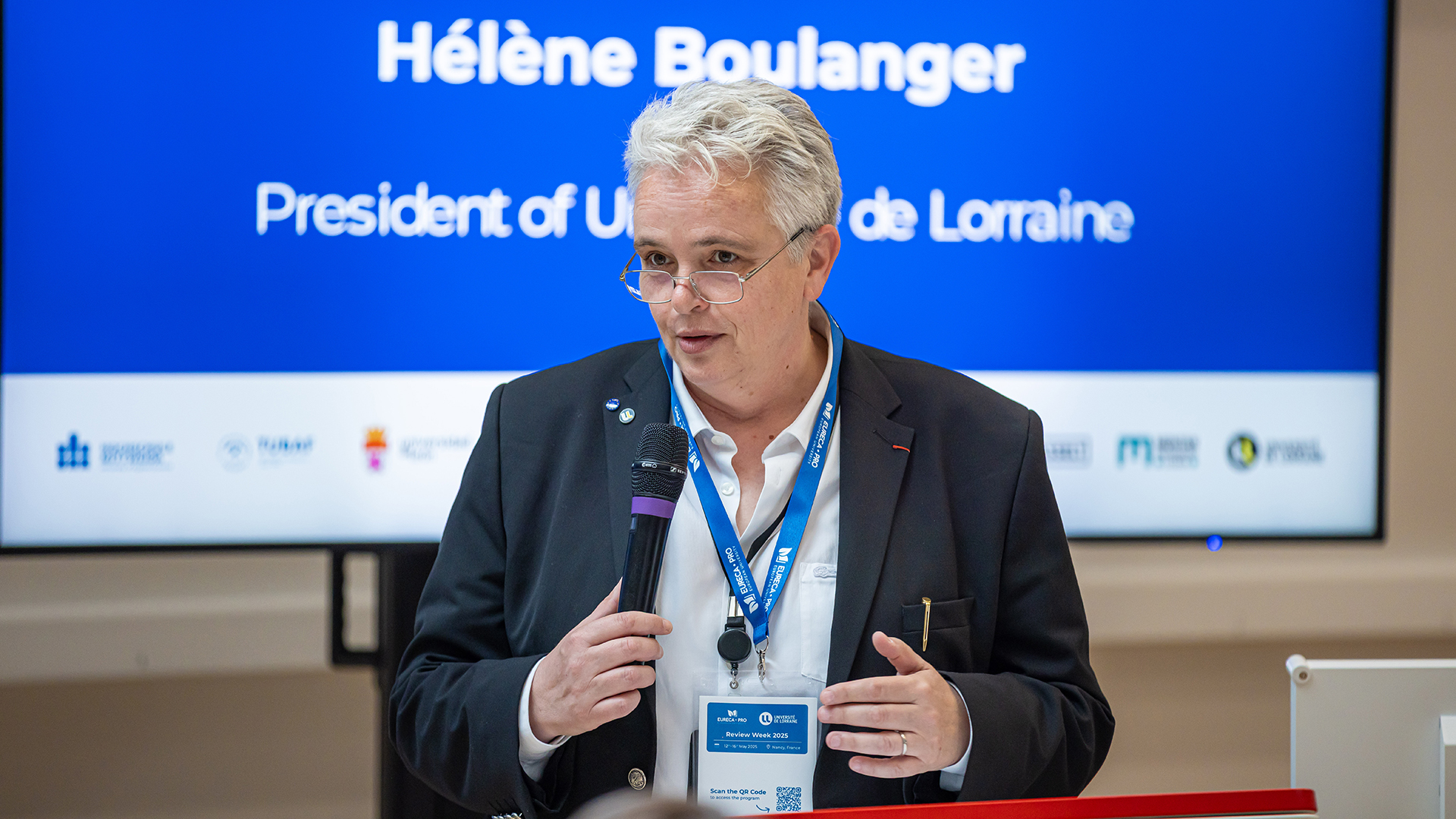
Hélène Boulanger, President of the Université de Lorraine, reflected on the significance of coming together and the wide-ranging role of the Alliance, and emphasised the importance of international cooperation in these challenging times: “We are very proud to have hosted Review Week for the first time in Lorraine – the land of Robert Schumann, the father of Europe. In the face of repeated attacks on our democracies, universities and the scientific community, the work of international alliances such as EURECA-PRO is more important than ever. It enables us to shape a better future together.”
Against the backdrop of developments in European research and innovation priorities, participants explored during this Review Week how the nine partners, as a joint European university, can play a key role in developing Europe’s sustainable competitiveness. The central theme of the week was therefore: ‘Contributing to the transition towards a sustainable, competitive and European future’.
External input for internal development
Two speakers opened Review Week: Janez Potocnik, an economist and former EU Commissioner, and Sébastien Treyer, Executive Director of the IDDRI think tank (Institute for Sustainable Development and International Relations), delivered keynote speeches on the concept of sustainable competitiveness. Subsequently, further experts discussed the topic from global, continental and regional perspectives. The panellists included Adel El Gammal, Secretary-General of the European Energy Research Alliance (EERA), Aurélien Genty from the European Commission’s Joint Research Centre, Christophe Yvetot, representative of the United Nations Industrial Development Organisation (UNIDO), and Anaïs Voy-Gillis, Chief Strategy and CSR Officer at Humens and Associate Researcher at the Université de Poitiers.
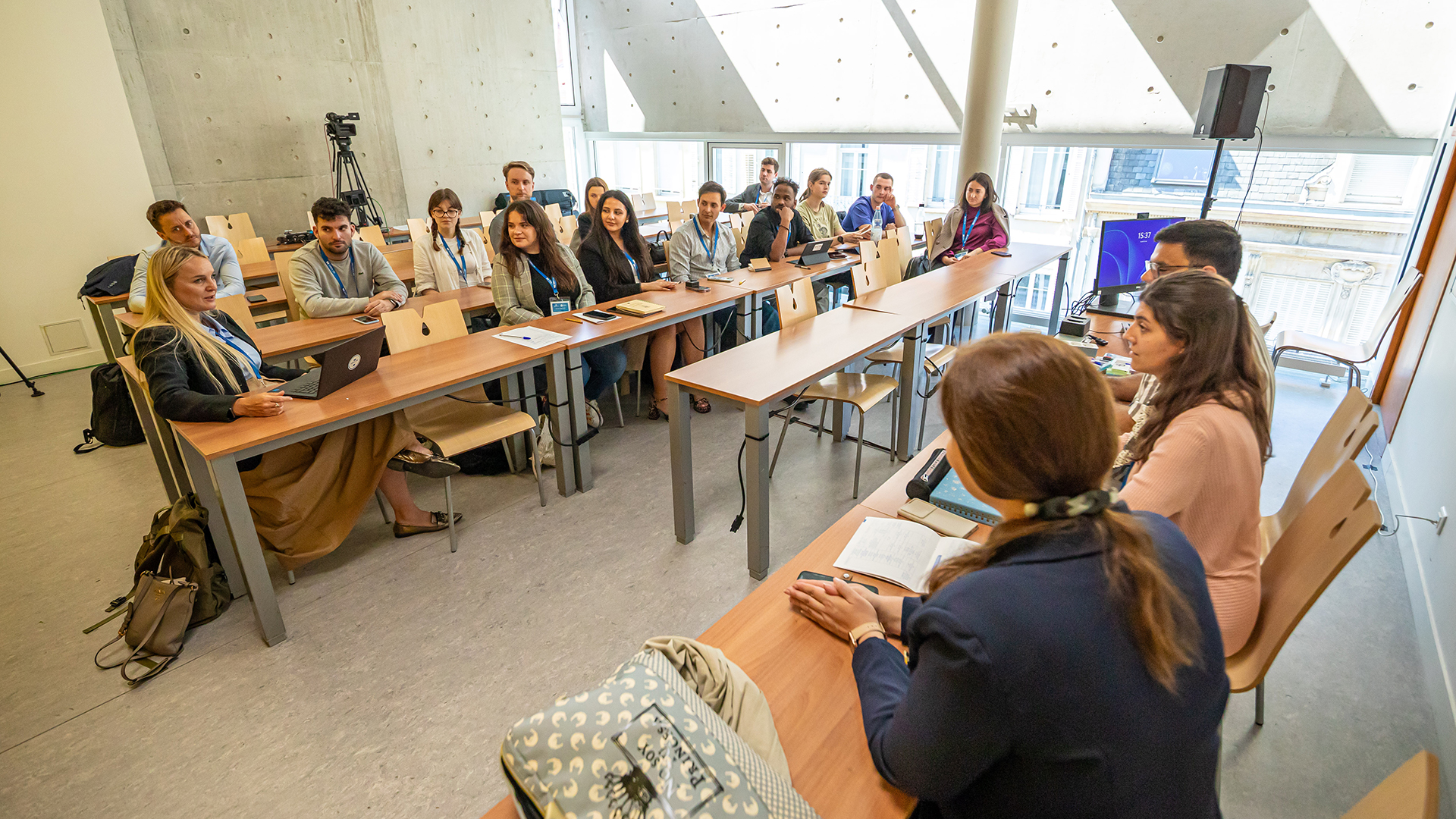
This was followed by thematic workshops, which provided a space for cross-sectoral dialogue and reflection on the input with a view to developing concrete initiatives. The participants explored how EURECA-PRO, as an alliance, is expanding its systemic capacity for innovation, identifying and addressing key skills gaps amongst students and in society, and how it is increasing its wider impact through more direct engagement with local ecosystems.
To maximise its impact on society, EURECA-PRO has identified five key challenges which the alliance is tackling jointly through research and teaching: the so-called Strategic Challenges. These took centre stage on Wednesday, when participants worked together across three thematic areas: carbon and hydrogen synergies, the sustainable use of natural resources, and the humanities and social sciences in the context of change. Each session comprised a keynote presentation, a panel discussion and practical workshops. These collective contributions now serve as the basis for drawing up guidelines for joint research and education programmes, as well as citizen science initiatives designed to actively involve society in research.
“A compass for our future”
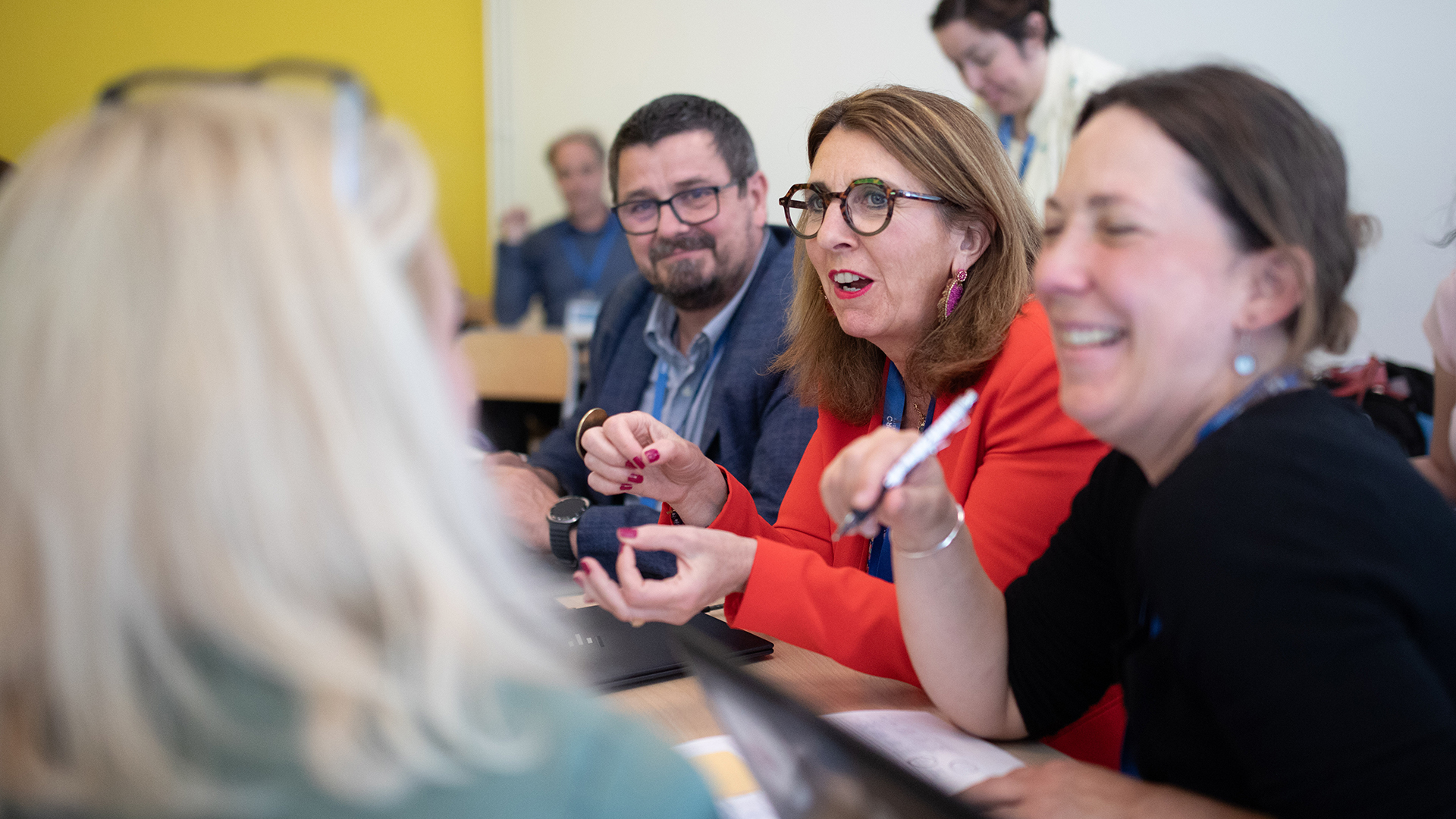
The Review Week also included internal EURECA-PRO working meetings, such as those of the Board of Rectors, the Executive Board, and the work package and task force teams. These meetings provided an opportunity to share progress, validate agreements on joint programmes, support the development of academic communities and align the alliance’s communication strategy.
Vanessa Massegg, EURECA-PRO project manager at the Montanuniversität Leoben, emphasised the deeper significance of coming together and the purpose of the gathering for the alliance’s progress: “This week was not simply a milestone for our project, but a reflection of our mission and a compass for our future. The week reminded us that whilst strategy shapes plans, it is our shared endeavour that drives progress.”
EURECA-PRO for Mittweida and the surrounding region
As part of the EURECA-PRO university alliance, Mittweida University of Applied Sciences is helping to shape the development of a European higher education landscape. Students and researchers are already benefiting from this forward-looking approach, for example through the ‘Responsible Consumption and Production’ specialisation within the Bachelor’s degree programme in Electrical Engineering – Automation, or through conferences and training opportunities designed to help establish new research contacts.
About EURECA-PRO
EURECA-PRO (European University on Responsible Consumption and Production) is a European university alliance founded in 2020. Its mission is to promote sustainability in higher education and research in line with the United Nations Sustainable Development Goal 12, ‘Responsible Consumption and Production’. At the same time, the alliance brings people from across Europe closer together. For example, joint study programmes are already being developed to enable students to transfer seamlessly between two or more EURECA-PRO partner universities through an integrated semester abroad. In addition to Mittweida University of Applied Sciences, the partners include the Silesian University of Technology (Poland), the Université de Lorraine (France), the Montanuniversität Leoben (Austria), Hasselt University (Belgium), the University of León (Spain), the Technical University of Crete (Greece), the University of Petroșani (Romania) and the Technical University Bergakademie Freiberg.